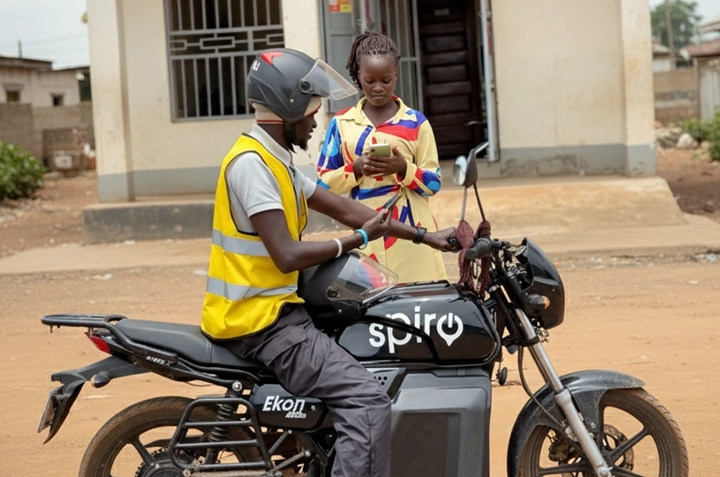
Pikipiki – Uganda’s ride‑hailing app


Reliable Transport Is Becoming a Bigger Priority
As the city grows, reliability has become one of the most important demands in Gulu’s Ride-Sharing scene. More people are commuting for work, attending school, running businesses, and handling day-to-day errands across neighborhoods like Pece, Bardege-Laroo, Layibi, and Kirombe. With busier schedules and longer distances to cover, residents want transport they can count on. The Pikipiki app offers a level of predictability that traditional roadside pickups rarely provide. Users know who is picking them up, where they are, and when they will arrive.
This shift in priorities is also driven by the growing need for time efficiency. Waiting at a boda stage or negotiating with riders can take precious minutes out of a busy morning. With app-based transport, riders can book a trip instantly, reducing downtime and keeping their routines running smoothly. Whether you’re heading to a meeting near Gulu Main Market or trying to get to class on time at Gulu University, the ability to schedule a ride quickly makes a big difference in daily life.
Another factor boosting the demand for reliability is the increase in city-wide activity. More shops, offices, and social venues mean more movement throughout the day. As a result, Gulu’s Ride-Sharing platforms like Pikipiki are becoming essential tools for managing urban mobility. They bring structure to a system that was once unpredictable, ensuring that residents can access transport whenever they need it. This new level of reliability is helping make Gulu a more connected and efficient city.
Safety Concerns Are Pushing People Toward Digital Solutions
Safety is playing a major role in shaping the future of Gulu’s Ride-Sharing industry. Many residents prefer transport options where riders are verified, routes are tracked, and pickup details are clearly documented. The Pikipiki app provides these protections by giving passengers a digital trail for every ride. You know the name of your rider, see their profile, and follow your route in real time. This transparency makes people feel more secure, especially when moving late in the evening or in unfamiliar parts of the city.
In addition to personal safety, digital solutions offer convenience for families. Parents can book rides for their children, track the journey from home, and confirm when they’ve reached their destination. This level of visibility was almost impossible with traditional roadside boda services. For workers who move at night, traders carrying goods, or visitors exploring the city, knowing that their trip can be tracked adds an important layer of confidence.
The growing awareness of safety is encouraging more people to choose app-based transport over traditional methods. By combining boda culture with modern technology, the Pikipiki app is helping improve the security and professionalism of Gulu’s Ride-Sharing environment. These improvements are shaping new expectations for transport and encouraging a shift toward safer, more organized ways of moving around the city.

Local Riders Are Embracing Professional Systems
A major change happening in Gulu’s Ride-Sharing scene is the shift toward professional, app-based systems. Many local boda riders are joining platforms like Pikipiki because they see the value of structured rides, consistent customers, and predictable incomes. Instead of waiting at the roadside hoping for passengers, riders get trip requests directly on their phones. This helps reduce downtime and allows them to plan their day more effectively while offering a more organized service to the community.
As riders get used to features like digital payments, verified profiles, and customer ratings, they begin to embrace a more professional approach to their work. This helps build trust between riders and passengers across Gulu City. Knowing that the person picking you up is registered and accountable creates a safer and more comfortable experience. Over time, this professionalism raises the standard of Gulu’s Ride-Sharing industry and encourages more people to rely on app-based transport.
The ripple effect is strong. As more riders join and benefit from the system, the entire transport sector becomes more reliable. Neighborhoods like Kirombe, Pece, and Layibi experience better service because riders are more motivated and better connected. This growing network of trained, tech-enabled riders is helping push Gulu’s Ride-Sharing landscape into a new era of efficiency and trust.
Growing Neighborhoods Need More Flexible Transport Options
Gulu City is expanding at a steady pace, and that growth has created new transport challenges. Areas like Cereleno, Bardege-Laroo, and Kanyagoga are developing into busy residential zones where people move frequently between home, work, school, and markets. Traditional transport options don’t always reach every corner of these growing neighborhoods. This is where Gulu’s Ride-Sharing platforms like Pikipiki become especially valuable, offering on-demand rides regardless of location.
Instead of walking long distances to find a boda stage, residents can request a ride from right where they are. This flexibility makes everyday movement easier, especially for families, students, and workers living farther from the city center. Whether you’re heading to Gulu Main Market early in the morning or returning home late in the evening, having a rider come directly to you changes the entire transport experience.
As these neighborhoods continue to grow, the demand for convenient and responsive transport will increase. App-based systems give Gulu a way to meet that demand without relying solely on traditional boda traffic. This flexibility is one of the biggest reasons Gulu’s Ride-Sharing market is becoming more exciting and useful for residents across the city.
Cashless Payments Are Becoming More Popular
Mobile money has become part of everyday life in Northern Uganda, and this trend is influencing Gulu’s Ride-Sharing culture. People use mobile money to pay bills, run businesses, send remittances, and shop. Paying for boda rides through an app feels like a natural extension of that convenience. With Pikipiki, riders can choose to pay cashlessly, which helps reduce the need for physical money and makes the payment process smoother.
Cashless payments are especially useful in situations where you don’t have exact change or it’s late and you’d rather avoid handling cash on the street. Paying through mobile money adds a layer of safety and speed that many riders appreciate. It also eliminates price disagreements since the fare is calculated automatically by the app, creating a more transparent and stress-free experience.
For people who take multiple rides a day, digital payments help with budgeting and record-keeping. Every transaction is logged inside the app, making it easier to track monthly transport costs. This shift toward cleaner, quicker payments is one of the reasons Gulu’s Ride-Sharing systems are becoming more attractive to both riders and passengers.

Transparent Pricing Builds Trust
One of the biggest improvements in Gulu’s Ride-Sharing experience is the move toward clear, upfront pricing. Traditionally, many passengers in Gulu had to negotiate boda fares at the roadside, which could lead to disagreements or unpredictable costs. With the Pikipiki app, riders see the estimated fare before the trip begins, making it easier to decide whether the price fits their budget. This transparency helps reduce uncertainty and builds trust between passengers and riders.
Clear pricing also makes it easier for riders to plan their daily travel. Whether someone takes a boda to Gulu University every morning, travels frequently to Pece Stadium, or moves goods between Layibi and Gulu Main Market, knowing the cost in advance helps manage expenses more effectively. Instead of being surprised by a sudden change in fare, passengers enjoy consistency and fairness across different trips and times of day.
The shift to transparent pricing strengthens the entire transport system. As more people experience fair, predictable fares through Gulu’s Ride-Sharing apps, trust in digital platforms increases. This trust encourages more riders to join, more passengers to book rides, and the whole mobility network becomes more dependable. It’s a positive cycle that improves transportation for everyone in Gulu City.
Ride-Tracking Improves Confidence
Ride-tracking has become one of the most valuable features in Gulu’s Ride-Sharing platforms. With the Pikipiki app, passengers can follow their rider’s location before pickup and track the entire route during the trip. This gives riders a sense of control and security that wasn’t possible with traditional boda pickups. Knowing exactly where your rider is helps eliminate the stress of waiting at the roadside or wondering when they will arrive.
Tracking is especially useful for people who travel at night or move through unfamiliar areas. Whether someone is going home from the central business district or heading to visit friends in Kirombe, the ability to see their route in real time adds reassurance. Families also benefit from this feature. Parents can track their children’s trips, ensuring they reach school or home safely. It’s a layer of safety that modern riders appreciate more than ever.
This sense of confidence encourages more people to embrace digital transport. When riders feel safe using Gulu’s Ride-Sharing systems, they are more likely to rely on them regularly. This boosts demand, improves service reliability, and strengthens the entire digital transport ecosystem in Gulu City. Ride-tracking isn’t just a convenience—it’s becoming a defining feature of modern mobility in the region.
Early Users Get Special Perks
A big part of what makes Gulu’s Ride-Sharing scene exciting right now is the range of perks available to early adopters. Ride-hailing platforms usually reward their first users to encourage growth and build trust, and Pikipiki is no exception. People who join the app early often enjoy benefits like discounted fares, surprise free rides, referral bonuses, and early access to new app features. These rewards not only make transport cheaper but also make the whole experience feel more engaging and rewarding for the first wave of users.
For many riders, these perks translate into real savings on everyday routes. Someone traveling regularly from Pece to Gulu University or commuting between Layibi and Gulu Main Market can significantly reduce transport expenses through promotional offers. Early users also get to test new updates and features before the general public. This gives them a smoother, more refined experience and helps them understand the app’s full potential before everyone else catches on. It feels like getting a VIP pass to the future of Gulu’s Ride-Sharing.
But the value of early adoption goes beyond discounts. Rewarding early users helps build a loyal and active community. When people see that their support matters, they’re more motivated to keep using the app, share their experiences, and invite others to join. Their feedback helps improve features, enhance rider safety, and strengthen the overall service. Early adopters often become ambassadors for the platform, playing a key role in expanding Gulu’s Ride-Sharing network and shaping the direction of Pikipiki as it grows across the city.

The City Is Becoming More Connected
Gulu City is growing quickly, with new developments appearing in areas like Bardege-Laroo, Kanyagoga, Kirombe, and Cereleno. As businesses open, schools expand, and more families settle in these neighborhoods, movement across the city has become more frequent and more essential. People are constantly traveling for work, studies, shopping, and social visits, and this increased mobility has created a stronger demand for dependable transport solutions. Digital ride-hailing platforms like the Pikipiki app are stepping in to meet that need, offering a modern and organized way to strengthen Gulu’s Ride-Sharing network.
App-based transport is helping eliminate the uncertainty that often comes with traditional roadside boda services. Instead of walking long distances to find an active stage or waiting in unpredictable locations, riders can now request a boda from exactly where they are. Within minutes, a nearby rider picks up the trip. This shift is especially helpful for residents living in growing or less central neighborhoods, where transport can be inconsistent. By connecting these areas more efficiently, the Pikipiki app is helping make the entire city more accessible and easier to move through.
The benefits of improved connectivity extend far beyond convenience. Reliable transport supports economic growth by helping workers reach job sites on time, small businesses deliver goods more efficiently, and students access schools without disruption. Features like digital payments, verified riders, and trip tracking make Gulu’s Ride-Sharing ecosystem safer and more dependable for everyone. Over time, this stronger mobility network helps the city operate more smoothly and supports long-term development. The Pikipiki app is doing more than just moving people—it’s helping Gulu City grow in a more connected and organized way.
Conclusion
The changes happening within Gulu’s Ride-Sharing ecosystem are reshaping how people move throughout the city. With platforms like the Pikipiki app, transport is no longer limited to unpredictable roadside pickups or inconsistent pricing. Instead, riders can enjoy a service that prioritizes safety, clarity, and convenience. Features such as verified riders, real-time route tracking, cashless payments, and transparent fares give users more control over every journey. Rather than replacing the existing boda culture, the app elevates it—bringing modern structure to a service that has always been central to life in Gulu.
As Gulu continues to expand into a vibrant urban hub, the need for dependable transport solutions becomes even more important. New businesses, schools, residential areas, and social spaces mean more movement across longer distances. This is where digital ride-sharing becomes essential. The Pikipiki app helps bridge the gap by offering quick access to reliable rides, reducing long wait times, and improving trip planning. Whether someone is rushing to class at Gulu University, moving between home and the market in Kirombe, or commuting to office spaces in the city center, Pikipiki supports their daily routine with efficiency and ease.
For anyone looking to navigate Gulu City more seamlessly, adopting the Pikipiki app is a practical and forward-looking choice. Early users benefit from rewards, app updates, and priority access to new features as the platform grows. More importantly, they play an active role in shaping the future of Gulu’s Ride-Sharing culture by providing feedback and supporting innovation. As the city continues to modernize, Pikipiki stands at the forefront—bringing safe, efficient, and connected transport to everyone. Now is the perfect time to join in and experience a smarter way to move around Gulu.