Pikipiki – Uganda’s ride‑hailing app


Is PikiPiki Safe to Use?
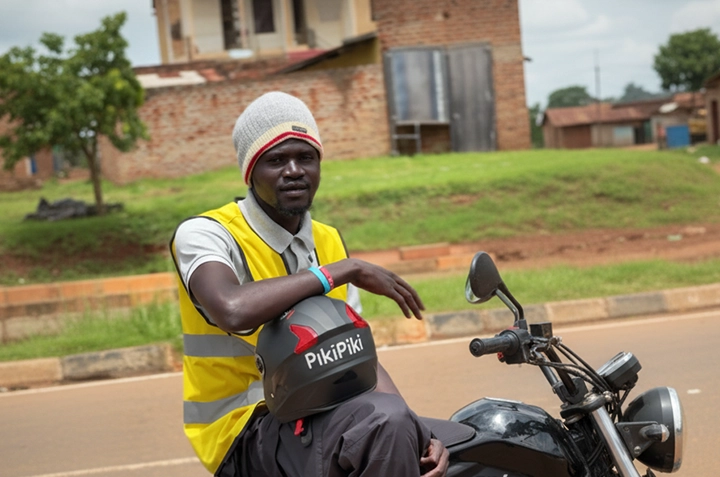
Safety is one of the biggest concerns for people who move around Gulu City, and pikipiki takes this seriously. Every rider on the platform goes through a careful verification process before they are allowed to accept trips. This includes checking their national ID, confirming their riding license, and reviewing their riding experience. PikiPiki also ensures that each motorcycle is in good condition, reducing the risks associated with poorly maintained bikes. This thorough process gives passengers confidence that they are being matched with someone responsible and trustworthy.
Beyond verification, PikiPiki promotes safe riding habits through guidelines and training. Riders are encouraged to follow traffic rules, maintain professional conduct, and prioritize passenger comfort throughout the journey. When riders know they’re being rated after each trip, they naturally become more cautious and respectful on the road. This helps create a safer commute for everyone, especially during morning rush hours, busy market days, or nighttime travel.
Passengers also benefit from key safety features built into the app. You can see the rider’s name, photo, and motorcycle number before they arrive, making identification clear and easy. With real-time tracking, you can follow your route from start to finish or share your trip details with someone you trust. In a city where transport safety is a growing concern, pikipiki provides a much-needed layer of protection that traditional roadside bodas simply cannot offer.
How Do I Book a PikiPiki Ride?
Booking a ride with pikipiki is designed to be quick and effortless, even for people who aren’t used to using many apps. Once you open the app, the system automatically detects your location, saving you the trouble of explaining directions or landmarks. With just one tap on “Request Ride,” PikiPiki immediately connects you to the nearest rider. This simple process saves time and eliminates the stress of searching for a boda or waiting for one to pass by.
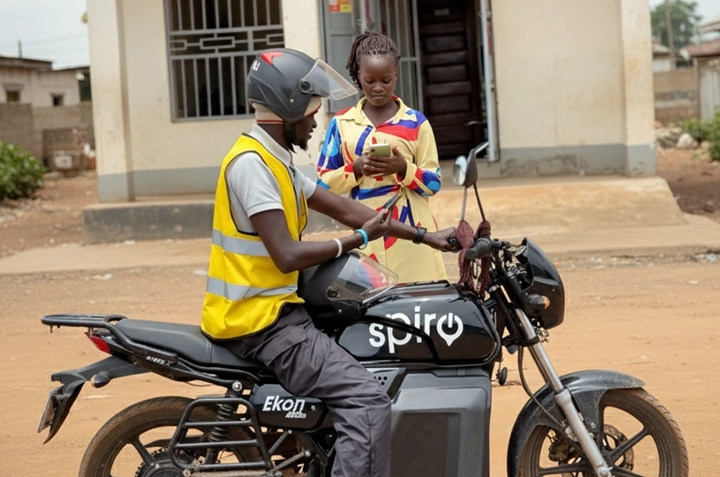
After requesting a ride, the app shows the rider’s details right away. You can see their name, photo, and motorcycle plate number, along with an estimated arrival time. This makes pickups clear and convenient, especially in busy places like Gulu Main Market, Kaunda Grounds, or the bus park where many bodas operate at once. You don’t have to guess which rider is yours—the app gives you all the information you need to identify them confidently.
The booking process also enhances the overall travel experience. Once you’re on the way, you can view your route in real time, adjust your destination if needed, or contact the rider directly through the app. Whether you’re booking a ride for yourself, sending a PikiPiki for your child, or helping a friend get home safely, the app makes the entire process smooth and predictable. With pikipiki, transportation becomes something you can control, not something you have to chase.
How Does PikiPiki Pricing Work?
One of the biggest frustrations with traditional boda transport is the unpredictable pricing. With roadside hailing, the cost often depends on the driver’s mood, the weather, or the time of day. Pikipiki eliminates all of this by offering upfront pricing that passengers can see before confirming a ride. This gives you full control over your travel budget. Whether you’re heading to Pece, Bardege, Layibi, or the city center, you always know what the ride will cost—no surprises, no bargaining.
The app calculates the fare based on distance and estimated travel time, ensuring fairness for both passengers and riders. This system benefits frequent users such as workers, students, and traders who depend on reliable daily transport. Because the price does not suddenly change during the ride, users feel more confident using PikiPiki for important trips like school runs, business errands, or appointments around Gulu.
For riders, the structured pricing system creates a more predictable income. They no longer have to negotiate with passengers or worry about undercharging. This makes their work more professional and reduces arguments at pickup or drop-off points. With pikipiki, everyone benefits from a clear, transparent system that makes transport smoother and more organized across the city.
Does PikiPiki Really Help Riders Earn More?
Many boda riders in Gulu City struggle to earn consistently because their daily income depends heavily on luck, location, or stage competition. Pikipiki changes that by giving riders access to a steady stream of trip requests from all over the city. Instead of waiting long hours at a stage, riders receive requests directly on their phone, allowing them to stay active and earn more throughout the day. This is especially helpful during peak hours when many people need quick transport.
Another major benefit is the rating system. Riders who offer safe, polite, and reliable service earn higher ratings, which lead to more visibility on the platform. Passengers naturally prefer riders with strong reputations, so good performance directly results in increased trips and better income. This creates a fair system where hard work is recognized and rewarded, giving riders a real chance to grow professionally.
PikiPiki also opens new opportunities for riders in areas that rarely receive walk-in passengers. Because the app operates citywide, riders can earn from places far beyond their usual stage. Over time, this boosts earnings and gives riders more financial stability. By creating a fairer and more organized system, pikipiki is helping riders build better futures for themselves and their families.
What Payment Options Does PikiPiki Offer?
Modern transport should be flexible, and pikipiki understands that passengers have different preferences when it comes to paying for rides. That’s why the app supports both cash and mobile money payments. For people who prefer carrying physical cash, paying at the end of the ride is easy and familiar. For those who want a faster and cleaner option, mobile money provides instant, hassle-free transactions.
Mobile money is especially popular among students, office workers, and frequent travelers who don’t want to worry about carrying change. It also reduces the stress of handling money late in the evening or during busy market hours. With a simple tap, passengers can complete payments securely without delays, making the entire experience smoother.
For riders, offering multiple payment options helps guarantee consistent earnings. Whether a passenger pays in cash or digitally, riders receive their money safely and quickly. This flexibility also reduces misunderstandings about fares and avoids situations where change is unavailable. By supporting a variety of payment methods, pikipiki makes transport more modern, convenient, and accessible for everyone in Gulu City.
Can I Track My Ride in Real Time?
One of the most appreciated features of pikipiki is its real-time tracking system. As soon as your ride is confirmed, you can watch the rider move toward your location on the map. This removes the guesswork that comes with traditional boda transport, where you might wait outside unsure of when your rider will actually arrive. With PikiPiki, you can stay indoors until the rider is only a few moments away, giving you a more comfortable and secure pickup experience.
Real-time tracking is extremely useful in busy areas like Gulu Main Market, the bus park, and popular trading zones. These places often have many bodas waiting, making it difficult to identify which one is supposed to pick you up. With PikiPiki, every rider is matched with clear details such as their name, photo, and motorcycle number plate. This makes it easy to locate your rider, even in a crowded environment, reducing confusion and improving safety.
Families in Gulu especially appreciate this feature. When booking rides for children, elders, or relatives moving across town, real-time tracking provides extra peace of mind. You can follow the entire journey from start to finish and confirm when your loved one reaches their destination. With pikipiki, tracking doesn’t just make the ride smoother—it builds trust and ensures a safer commuting experience for everyone.
Does PikiPiki Work in All Parts of Gulu?
Gulu City continues to expand, and pikipiki is built to keep up with that growth. The platform operates across all major neighborhoods, including Pece, Layibi, Bardege, Kaunda, Cereleno, and the city center. Whether you’re in a busy commercial area or a quiet residential zone, PikiPiki ensures that quick and reliable transport is always within reach. This broad coverage is a huge advantage for people who move frequently across different parts of the city.
Even in locations where traditional bodas may be hard to find, the app helps connect passengers to riders nearby. Because PikiPiki tracks movement throughout the day, it can direct riders to areas where demand is high. This reduces waiting times and ensures that passengers in less crowded zones still receive fast service. Whether you’re heading to a business meeting, a school, or a market on the outskirts of town, PikiPiki keeps your movement smooth and predictable.
As Gulu grows, the transport needs of the community will continue to evolve. Pikipiki is designed to adapt to these changes by expanding its rider network and improving coverage in emerging areas. This makes it a future-ready solution for anyone who depends on fast and dependable transport. No matter where you are in Gulu, the app is designed to get you moving quickly and safely.
What Makes PikiPiki Different From Traditional Bodas?
Traditional bodas are a familiar part of life in Gulu, but they often come with challenges—uncertain waits, unclear pricing, and varying levels of safety. Pikipiki addresses these problems by bringing structure and technology into the experience. Instead of relying on chance or bargaining, passengers get verified riders, clear pricing, and consistent service. This gives commuters a more predictable and stress-free way to move around the city.
Another key difference is the level of transparency PikiPiki provides. You know exactly who is picking you up, what motorcycle they are using, and how long they’ll take to arrive. Real-time tracking shows your route, and rider ratings help you choose someone with a strong record. This level of organization is something traditional street hails simply can’t offer.
For riders, PikiPiki also creates a fairer working environment. Instead of competing at crowded stages or relying solely on location, riders earn through professionalism. Good communication, safe riding, and positive reviews lead to more trips and better income. This shifts the boda industry into a system where performance—not luck—drives success. With pikipiki, both riders and passengers benefit from a service that values safety, reliability, and respect.
Why Is PikiPiki Becoming So Popular?
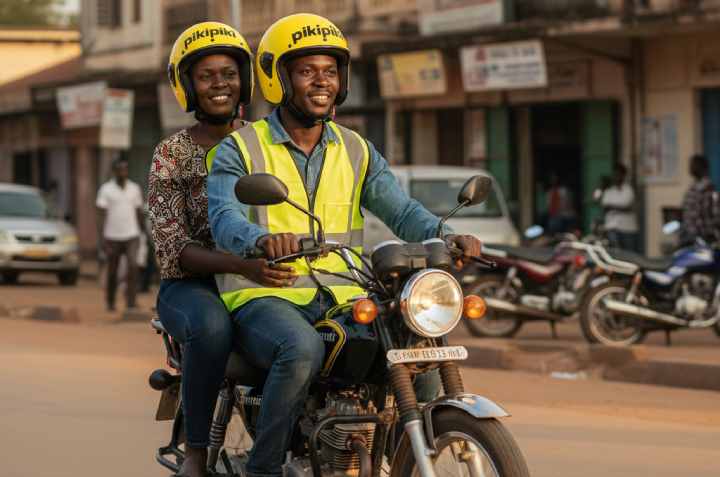
Pikipiki is gaining popularity in Gulu City because it solves real, everyday transport problems that people have struggled with for years. Traditional boda transport has always been important, but it can be unpredictable—sometimes riders aren’t available, sometimes prices change suddenly, and sometimes safety is a concern. PikiPiki removes these worries by offering a modern transport solution built around speed, convenience, and trust. With features like verified riders, upfront pricing, and real-time tracking, passengers finally get a reliable way to move without stress.
What also makes PikiPiki stand out is how well it blends technology with the local realities of Gulu. The app is simple enough for anyone to use, even people who are new to smartphones. It connects riders and passengers across all neighborhoods, ensuring quick pickups from early morning to late evening. The service fits perfectly into the way people in Gulu live—short trips, busy schedules, and constant movement between homes, workplaces, trading centers, and schools. The more people use the app, the more they appreciate how much easier their daily routines become.
On the riders’ side, PikiPiki has created a fair system where hard work is rewarded. Riders earn more by delivering great service, keeping their bikes clean, and treating passengers respectfully. This professionalism builds trust and encourages more passengers to use the app. As riders improve and passengers rely more on the platform, the entire transport ecosystem becomes healthier, safer, and more dependable. This combination of fairness, convenience, and reliability is why pikipiki continues to grow and why it is becoming the transport choice for thousands of people across Gulu City.
Conclusion
The rise of pikipiki marks an important shift in how people move around Gulu City. For many years, residents relied on roadside bodas that were fast but unpredictable. Now, PikiPiki brings structure, safety, and convenience to an industry that needed a modern upgrade. With verified riders, fast pickups, flexible payment methods, and real-time tracking, the app offers a transport experience that gives passengers confidence and peace of mind. Instead of depending on chance, people can now count on a service designed to work for them at any moment of the day.
PikiPiki also empowers boda riders in ways the traditional system never did. Riders earn more through consistent trip requests, build strong reputations through ratings, and grow their income based on professionalism rather than position at a stage. This lifts the entire industry by encouraging safer riding, better communication, and improved customer care. As a result, the relationship between riders and passengers becomes more respectful and reliable. The community benefits from a transport system where quality and safety come first.
As Gulu continues to develop, modern transport solutions will become even more essential. Pikipiki is already ahead of that future, providing a service that grows alongside the city. Whether people are heading to work, school, the market, or home after a long day, the app delivers fast and dependable movement that fits the pace of Gulu today. PikiPiki isn’t just a ride-hailing app—it’s a major part of the city’s future, shaping a safer, smarter, and more organized way for everyone to travel. It’s helping Gulu move confidently into the next chapter, one ride at a time.